Expert panel

Dr Lee Adam :"
Author
Dr Lee Adam is the Director of Academic Integrity at the University of Otago, New Zealand. Lee has been researching academic integrity and misconduct, as well as informing institutional policy and processes at Otago since 2012. Her other research is centred around teaching and learning in higher education. As well as her academic integrity role, Lee is a senior lecturer in the Faculty of Dentistry, and Director of the Education research group for the Sir John Walsh Research Institute.
Sarah Eaton :"
Lead advisor
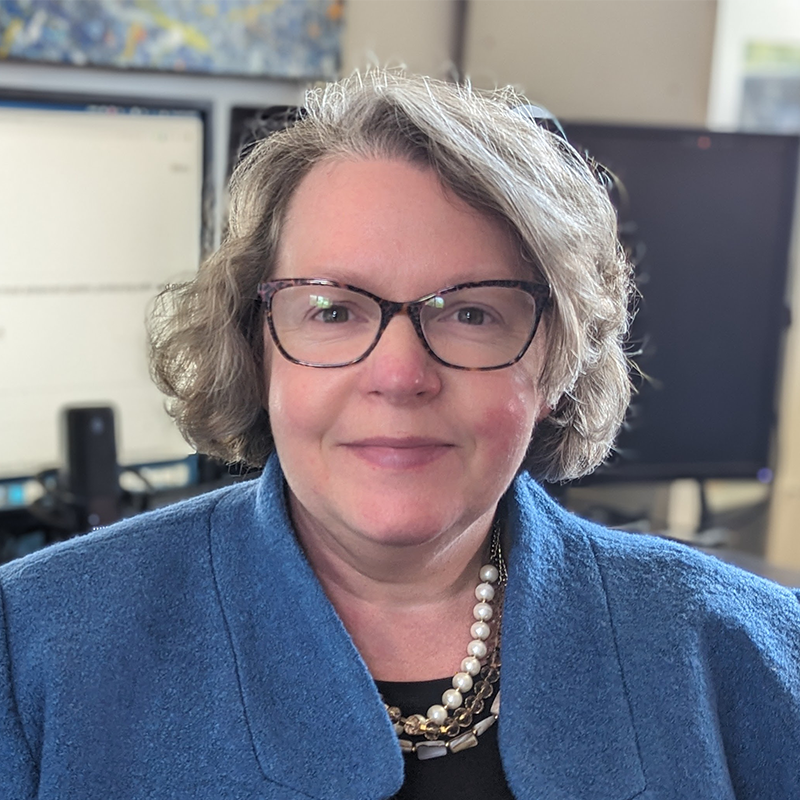
Sarah Elaine Eaton, PhD, is an associate professor at the Werklund School of Education, University of Calgary, Canada. Dr. Eaton an award-winning educator, researcher, and leader. She leads transdisciplinary research teams focused on the academic integrity and ethics in higher education. She is regularly invited by the media to provide expert commentary on academic misconduct. Dr. Eaton also holds a concurrent appointment as an Honorary Associate Professor, Deakin University, Australia.

Thomas Lancaster :"
Lead advisor
Dr Thomas Lancaster is a Senior Teaching Fellow in Computing at Imperial College London and one of the world's leading academic integrity researchers and practitioners. Thomas is a regular keynote speaker and has published papers on plagiarism prevention and detection, generative AI use in education, contract cheating, and partnership working with students, amongst other topics. He is a member of the UK's Quality Assurance Group academic integrity advisory group, coordinates the London and South East Academic Integrity Network (LSEAIN), and wrote the book Avoid Plagiarism published as part of the Sage Super Quick Skills series.
The previous edition of the module was developed with:
Dr Lee Adam :"
Author

Associate Professor Tracey Bretag :"
Lead advisor
The late Tracey Bretag was based in the School of Management at the University of South Australia. Tracey's research for over 15 years was focused on all aspects of academic integrity. She led four large Australian Office for Learning and Teaching (OLT) funded research projects, and co-led (with Dr Rowena Harper) the OLT project Contract Cheating and Assessment Design: Exploring the Connection. Tracey was the founding Editor of the International Journal for Educational Integrity (SpringerOpen), Editor-in-Chief of the Handbook of Academic Integrity (Springer 2016), former Chair of the Asia-Pacific Forum on Educational Integrity, and a Past President of the Executive Board to the International Center for Academic Integrity.
Wilma Alexander :"
Accessibility advisor
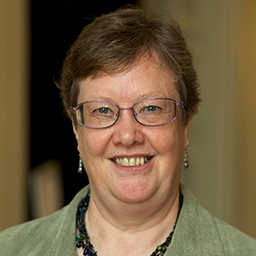
Wilma Alexander is a Fellow of the Higher Education Academy, with Master's degrees in Human–Computer Interaction, Linguistics and Information Science. She has over 15 years of experience as a manager with the online learning team at the University of Edinburgh, where she specialised in usable and accessible digital practice, tutored on the groundbreaking Master's degree in Digital Education and developed online staff training on accessible e-learning and online tutoring skills. Since retiring from the university at the end of 2015, Wilma has provided consultancy services on all aspects of online learning, with a special focus on accessibility and usability issues.
You now have all the information you need to get started.
Please continue on to the next screen of this module...