
TRANSFORMING HIGHER EDUCATION THROUGH EXCEPTIONAL ONLINE LEARNING
Welcome
TRANSFORMING HIGHER EDUCATION THROUGH EXCEPTIONAL ONLINE LEARNING

1/4
Shelda is a higher education consultant with experience as a Deputy Vice Chancellor. As Winthrop Professor of Higher Education at the University of Western Australia, she developed a range of innovative programs to support university leaders and researchers. A long-term advocate for improving development strategies for researchers, Shelda has guided a number of major development projects, including The Future Research Leaders Program, an online program in operation in Australia and New Zealand. In 2011 Shelda visited the UK, USA and New Zealand to explore research development practices while completing a Churchill Fellowship.
The New Academic: A Strategic Handbook, draws on many years' experience in helping academics and researchers to build their professional skills. As President of the Higher Education Research and Development Society of Australasia (HERDSA) and the International Consortium for Educational Development (ICED), Shelda took an active interest in promoting the need for improved mentorship and development of university researchers. She has presented on these issues in various forums across the world.
2/4
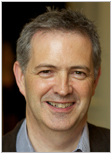
Hugh Kearns is recognized internationally as a public speaker, educator and researcher. He regularly lectures at leading universities across the world including Harvard University, Stanford University and the University of Oxford. He is in high demand by leading researchers and research groups for his expertise in taking the best research in psychology and education and applying it to high performing professionals.
He has published seven books which have sold over 60,000 copies including Turbocharge Your Writing, Defeating Self-Sabotage and Time Management for Researchers. His most recent e-book Presenting Your Research with Confidence draws on his extensive experience in communication and presentation. Hugh regularly appears on radio and TV and in print media. Hugh is also an active researcher and in 2011 had three invited commentaries published in the journal Nature.
Hugh lectures and researches at Flinders University, Adelaide, Australia, and runs his own company Thinkwell (www.ithinkwell.com.au).

3/4
Melissa Anderson is Associate Dean of Graduate Education and Professor of Higher Education, with affiliate membership in bioethics, at the University of Minnesota. Her work is in the areas of scientific integrity, research collaboration, and academy-industry relations and the research environment. She was principal investigator of an NIH-funded study on international research collaborations and co-editor, with Nick Steneck, of International Research Collaborations: Much to be Gained, Many Ways to Get in Trouble (Routledge, 2010). Melissa serves on the Committee on Scientific Freedom and Responsibility of the American Association for the Advancement of Science, the Ethics Committee of the American Educational Research Association and on the boards of a number of academic journals. She was the co-chair of the 3rd World Conference on Research Integrity held in 2013.

4/4
Wilma Alexander is part of the Learning Services team at the University of Edinburgh, supporting the use of online tools and technologies across the University. She has a special interest in usable and accessible digital practice, tutors on usability and accessibility for the University's Masters in Digital Education, and promotes the use of online activities for inclusive teaching and learning in the context of staff development.
This course will help you to:
The diagram on the right explains the chronology of the course. Click on each of the sections to view a more detailed breakdown of this course.
Activities clarifying the objectives of this course and helping you gain a feel for how the course will develop.
The course content. The target knowledge and concepts are introduced during this stage.
A chance to apply the course content to practical examples.
Summarises what you have learned and provides reference materials for further study.


Course highlights include:
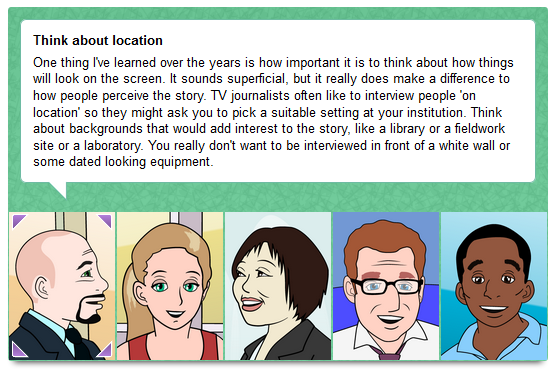
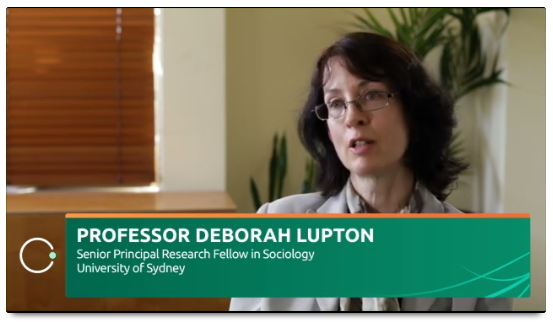
The Professional Skills for Research Leaders program has been developed in
conjunction with the following institutions:
Shelda is a higher education consultant with experience as a Deputy Vice Chancellor. As Winthrop Professor of Higher Education at the University of Western Australia, she developed a range of innovative programs to support university leaders and researchers. A long-term advocate for improving development strategies for researchers, Shelda has guided a number of major development projects, including The Future Research Leaders Program, an online program in operation in Australia and New Zealand. In 2011 Shelda visited the UK, USA and New Zealand to explore research development practices while completing a Churchill Fellowship.
Her book, The New Academic: A Strategic Handbook, draws on many years' experience in helping academics and researchers to build their professional skills. As President of the Higher Education Research and Development Society of Australasia (HERDSA) and the International Consortium for Educational Development (ICED), Shelda took an active interest in promoting the need for improved mentorship and development of university researchers. She has presented on these issues in various forums across the world.
Hugh Kearns is recognized internationally as a public speaker, educator and researcher. He regularly lectures at leading universities across the world including Harvard University, Stanford University and the University of Oxford. He is in high demand by leading researchers and research groups for his expertise in taking the best research in psychology and education and applying it to high performing professionals. He has published seven books which have sold over 60,000 copies including Turbocharge Your Writing, Defeating Self-Sabotage and Time Management for Researchers. His most recent e-book Presenting Your Research with Confidence draws on his extensive experience in communication and presentation. Hugh regularly appears on radio and TV and in print media. Hugh is also an active researcher and in 2011 had three invited commentaries published in the journal Nature. Hugh lectures and researches at Flinders University, Adelaide, Australia, and runs his own company Thinkwell (www.ithinkwell.com.au).
Melissa Anderson is Associate Dean of Graduate Education and Professor of Higher Education, with affiliate membership in bioethics, at the University of Minnesota. Her work is in the areas of scientific integrity, research collaboration, and academy-industry relations and the research environment. She was principal investigator of an NIH-funded study on international research collaborations and co-editor, with Nick Steneck, of International Research Collaborations: Much to be Gained, Many Ways to Get in Trouble (Routledge, 2010). Melissa serves on the Committee on Scientific Freedom and Responsibility of the American Association for the Advancement of Science, the Ethics Committee of the American Educational Research Association and on the boards of a number of academic journals. She was the co-chair of the 3rd World Conference on Research Integrity held in 2013.
Wilma Alexander is part of the Learning Services team at the University of Edinburgh, supporting the use of online tools and technologies across the University. She has a special interest in usable and accessible digital practice, tutors on usability and accessibility for the University's Masters in Digital Education, and promotes the use of online activities for inclusive teaching and learning in the context of staff development.
This course will help you to:
The bullet points below explain the chronology of the course and give a breakdown of each of the sections you will encounter.
The Orientation section introduces you to the content and aims of the course. There is an opportunity to assess your current knowledge, to help you evaluate your learning at the end of the course.
The course files contain the core course content. The content is divided into modules and screens.
The Application section gives you the chance to apply the course content to practical examples.
The Closing section summarises what you have learned and provides reference materials for further study.
The Learning assessment section allows you to assess and consolidate what you have learned in the course.
Course highlights include:
The Professional Skills for Research Leaders program has been developed in conjunction with the following institutions:
Browser warning - Internet Explorer 9 or lower
The browser you are using is Internet Explorer version 9 or lower.
Some of the scripts required to run our video and audio files, as well as certain interactive objects, are not supported by your browser. In these cases, text only content has been loaded into the pages rather than the video, audio, or interactive objects.
In order to view this course fully, please update your version of Internet Explorer to the latest version, or try with a different browser.